
Rapid diagnostic test kits are convenient tools used to detect specific infections, diseases, or health conditions in a short time. They are widely used in hospitals, diagnostic laboratories, clinics, healthcare centers, and other medical settings where quick testing can support timely decision-making.
With simple testing procedures and minimal equipment requirements, rapid diagnostic test kits can make screening and preliminary diagnosis more accessible. Different kits are designed to detect different markers, including antigens, antibodies, and other diagnostic indicators.
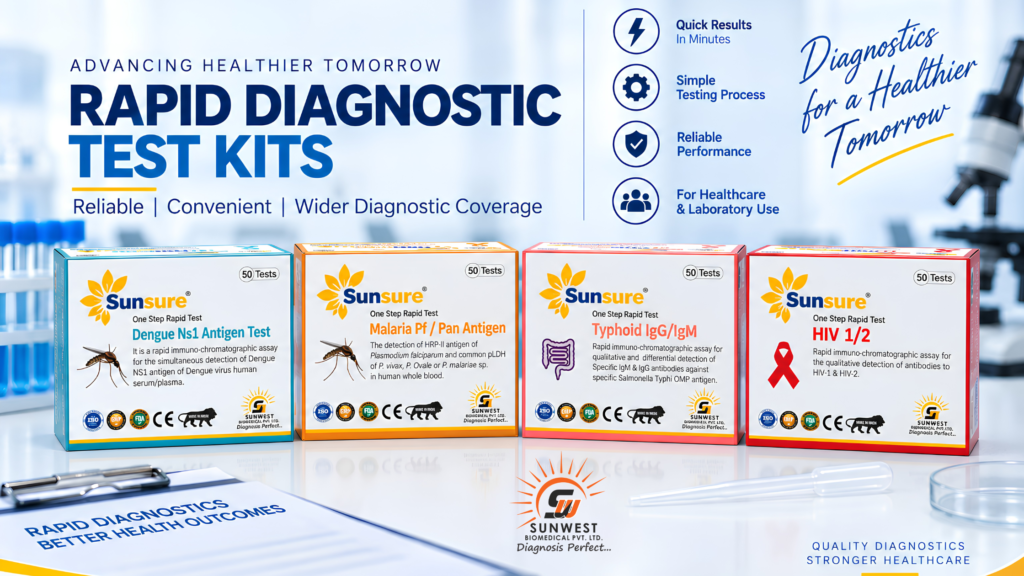
What Are Rapid Diagnostic Test Kits?
Rapid diagnostic test kits are medical testing devices designed to provide quick results for the detection of specific diseases, infections, or biomarkers. Most rapid tests use technologies such as immunochromatography to identify target antigens or antibodies in a patient sample.
Depending on the test, samples may include blood, serum, plasma, urine, saliva, or other specimen types. The test format, sample type, detection method, and interpretation criteria vary according to the specific diagnostic product.
Types of Rapid Diagnostic Test Kits
1. Antigen Rapid Test Kits
Antigen rapid test kits are designed to detect specific antigens associated with an infection. These tests are commonly used when a quick indication of an active infection is required. Examples include rapid tests for dengue NS1 antigen, malaria antigens, and other infectious diseases.
2. Antibody Rapid Test Kits
Antibody rapid test kits detect antibodies produced by the body’s immune system in response to a particular infection. They can be useful for identifying previous or ongoing exposure, depending on the disease and the type of antibody being detected. The interpretation of antibody-based tests should always follow the product instructions and recommended testing guidelines.
3. Combo Rapid Test Kits
Combo rapid test kits are designed to detect more than one target in a single test device. Depending on the product, a combo test may detect different antigens, antibodies, or multiple disease markers. These tests can be useful when screening requires information about more than one target while keeping the testing process simple.
Common Uses of Rapid Diagnostic Test Kits
Rapid diagnostic test kits are used across a wide range of healthcare and laboratory applications. They can support screening and preliminary testing where quick and convenient results are required. Common applications include infectious disease testing, community screening, healthcare facilities, diagnostic laboratories, and point-of-care testing.
Dengue Testing
Rapid dengue test kits may be used for the detection of specific dengue markers such as NS1 antigen or antibodies, depending on the test design.
Malaria Testing
Malaria rapid diagnostic tests can help detect malaria-related antigens and may support the identification of Plasmodium infections.
HIV and Hepatitis Testing
Rapid test kits for HIV and hepatitis are designed to detect specific antibodies or other markers according to the individual test’s intended use.
Typhoid Testing
Rapid diagnostic tests for typhoid can be used as part of appropriate screening and diagnostic workflows, with results interpreted according to the product instructions and clinical context.
Benefits of Rapid Diagnostic Test Kits
Quick Results
Rapid tests can provide results in a short time, supporting timely screening and initial clinical decision-making.
Simple Testing Process
Many rapid diagnostic kits are designed with straightforward procedures and clear result interpretation according to the product instructions.
Minimal Equipment Requirements
Depending on the test, rapid diagnostic kits may require limited laboratory equipment compared with more complex testing methods.
Convenient for Point-of-Care Testing
Rapid tests can be useful in healthcare settings where testing needs to be performed close to the patient.
Suitable for Healthcare & Laboratory Applications
Rapid diagnostic test kits are used across clinics, hospitals, diagnostic laboratories, healthcare centers, and screening programs.
How to Choose the Right Rapid Diagnostic Test Kit
Choosing the right rapid diagnostic test kit depends on the intended application, target disease or marker, specimen type, testing environment, and required turnaround time. Healthcare providers, laboratories, distributors, and procurement teams should review the product specifications and intended use before selecting a diagnostic kit.
Target Analyte
Choose a test designed to detect the specific antigen, antibody, or marker required for the intended application.
Sample Type
Check whether the kit is designed for serum, plasma, whole blood, urine, saliva, or another specified specimen.
Test Procedure
Consider the testing steps, required materials, equipment, and result interpretation process.
Storage & Shelf Life
Review the recommended storage conditions and shelf life to ensure proper product handling and availability.
Quality & Regulatory Requirements
For procurement and professional use, verify applicable quality standards, regulatory requirements, documentation, and manufacturer information.
Why Choose Sunwest Biomedical for Rapid Diagnostic Test Kits?
Sunwest Biomedical Private Limited provides rapid diagnostic test kits for healthcare and laboratory applications. Our product range covers diagnostic solutions for various infectious diseases and testing requirements. We focus on providing reliable products, clear product specifications, and professional support for healthcare institutions, laboratories, distributors, and procurement teams.
Conclusion
Rapid diagnostic test kits can support fast and convenient screening across a variety of healthcare and laboratory settings. Selecting the right kit requires attention to the target analyte, specimen type, intended use, testing procedure, storage conditions, and applicable quality requirements. For professional diagnostic requirements, choose products from a trusted manufacturer and follow the relevant product instructions and regulatory guidance.
